Questions and answers
Plain answers to the questions we hear most.
154 answers on land, building and buying in Southwest Florida, each linked to the page or guide it comes from.
Who is Proudhouse Builders?
Proudhouse Builders is a real estate developer and homebuilder based in Cape Coral, Florida. Together with its affiliated companies it forms a vertically integrated development and construction platform, so land acquisition, entitlement, design and construction are handled in-house rather than by five separate firms.
What does “you bring the land, we do the rest” mean?
You own the property. Our in-house team handles the rest: land review, entitlement and planning, design and build, and then a sale or hold, depending on your goals.
Who leads Proudhouse Builders?
The company is led by partners Jack “Matt” Selig, co-founder and development lead, and Guido Leiendecker, co-founder and homebuilding lead. Guido has been active in Florida real estate development and construction since the late 1990s. The wider team includes project coordination, zoning and permitting, planning and legal counsel.
How long has Proudhouse Builders been in business?
Proudhouse Builders LLC was registered in Florida in 2018. Its partners have been in Southwest Florida real estate much longer: Guido Leiendecker has been active in Florida development and construction since the late 1990s, and the group has been involved in thousands of residential units and subdivision lots.
What services do you offer?
Six services, all in-house: acquisition and project sponsorship, project structuring, project management, design details and supply sourcing, team building for each project, and sales. Together they take a project from the first acquisition to the final sale with one team.
Where do you build?
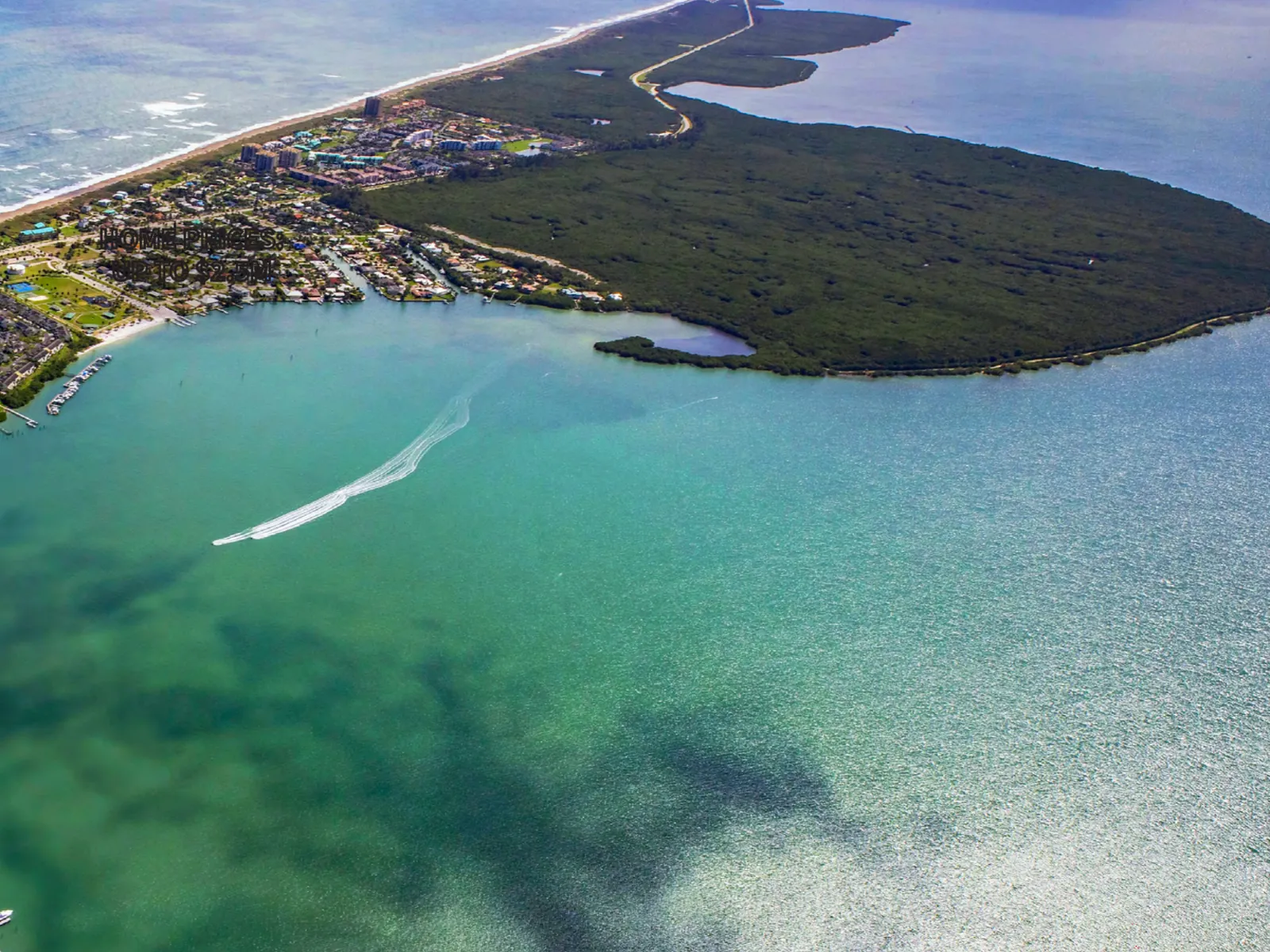
Our office is in Cape Coral. Current developments are Pelican Haven in Port Charlotte, Copperstone Estates in Naples (Collier County) and South Beach on Hutchinson Island on the Treasure Coast. We review land across Southwest Florida, including Lee, Charlotte and Collier counties, and St. Lucie County on the east coast.
What projects are you working on now?
Three developments: Pelican Haven, a 43-unit residential development in Port Charlotte with a $25.76 million project cost; Copperstone Estates, twelve luxury estate homes in Naples with a $17.74 million project cost; and South Beach, a 52-unit ultra luxury townhome community on Hutchinson Island.
What is the “value stack”?
It is the same seven steps we run on every deal: buy right and control early, engineer the upside, compress time, lock costs, create pricing power, structure capital smart, and sales. The goal is to maximize and optimize every project, for example by value-engineering before construction rather than during it.
Do you work with outside partners?
Yes. We work with a network of Southwest Florida and national partners in engineering, architecture, construction, legal, realty and supply, chosen to fit each project.
Do you build custom homes?
Yes. Our partners have delivered custom and spec homes across Cape Coral and Port Charlotte, and our construction covers starter and move-up homes through Florida Star Homes and Waterline Homes, luxury waterfront and lakefront estates through Proudhouse Builders and its companies, and ground-up commercial builds. In-house manufacturing for cabinetry, kitchens, baths and closets supports quality control.
What are your office hours?
Monday to Friday, 9:00 am to 5:00 pm. We are closed on Saturday and Sunday. Our office is at 923 Del Prado Blvd S, Ste 205, Cape Coral, FL 33990.
How do I contact Proudhouse Builders?
Call (239) 321-0594 Monday to Friday, 9:00 am to 5:00 pm, email proudhousebuilders1@gmail.com, or send a message through the contact page. You can also visit the office at 923 Del Prado Blvd S, Ste 205, Cape Coral.
Can I meet with you in person?
Yes. Call for a meeting and consultation and we will set a time at our Cape Coral office, 923 Del Prado Blvd S, Ste 205. We are happy to meet about any of your real estate needs.
I own land in Southwest Florida. How do I start?
Start a land review. Share the property address or parcel number, the approximate acreage and the county, plus anything else you know about the land. We look at zoning, future land use, utilities, flood zone and access, then tell you plainly what your parcel can become.
What happens during a land review?
We study the parcel's zoning, future land use, utilities, flood zone and access, and what the market supports. The result is a plain answer about what your land can become, which is the first of our four stages: land review, entitlement and planning, design and build, and sale or hold.
What are the four stages of working with you as a land owner?
One: land review, where we find what your parcel can become. Two: entitlement and planning, covering rezoning, site plans and permits. Three: design and build, with architecture and construction in-house. Four: sale or hold, where you decide with us whether to sell the finished homes or keep them.
Do you buy land outright or partner with land owners?
We offer acquisition and project sponsorship, so your land can have a development partner from the start, and every project is structured for the best financial returns or tax strategy. Which structure fits depends on the parcel and your goals, which is what the first conversation is for.
Which counties do you review land in?
Our parcel inquiry covers Lee, Charlotte, Collier and St. Lucie counties, and you can choose “Other” for land elsewhere. Our office is in Cape Coral, and our current developments are in Port Charlotte, Naples and Hutchinson Island.
What should I include in my parcel inquiry?
The property address or parcel number, the approximate acreage and the county are a good start. Anything else you know about the land, such as surveys, past approvals or utilities nearby, can go in the message.
Can I call instead of using the form?
Yes. Call (239) 321-0594 Monday to Friday, 9:00 am to 5:00 pm. Our office is at 923 Del Prado Blvd S, Ste 205, Cape Coral, FL 33990.
What kinds of developments do you plan?
Master site planning and schematic design for single-family communities, townhomes, luxury estate homes and mid-rise residential, with civil, structural, MEP and landscape consultants coordinated to produce plans that are both buildable and financeable.
Do you handle rezoning and approvals?
Yes. Entitlement is in-house, including rezonings, Planned Unit Developments (PUDs), subdivision approvals, site plans and permits, so approvals move without hand-offs between firms.
How does a developer evaluate land before making an offer?
A developer is less focused on whether they like a property and more on what can be built there and what it will take to get there. Most look at the same core factors: zoning and future land use, access to public water and sewer, flood zone, legal and practical access, and environmental conditions such as wetlands and protected wildlife. Each one affects what can be built, how long approvals may take and what the project will cost.
Read the guide: Selling Land to a Developer in Southwest Florida: How It Works
What are the steps to sell land to a developer in Southwest Florida?
Every deal has its own terms, but the path usually starts with an inquiry where you share the address or parcel number, acreage and county. The developer evaluates the site, then may send an offer or letter of intent outlining price, deposit, due diligence period and contingencies. After a contract is signed, the buyer investigates the site. If rezoning or permits are needed, the contract may depend on them. A title company or closing attorney handles closing.
Read the guide: Selling Land to a Developer in Southwest Florida: How It Works
What documents should I gather before selling my land to a developer?
Useful documents include your recorded deed and legal description, your most recent survey and any older ones, your owner's title insurance policy, recent property tax bills with any special assessments, and your parcel record from the county property appraiser. Also gather past permits, soil tests, environmental reports or wetland studies, any easements, leases, HOA or deed restriction documents, and mortgage or lien payoff information. Having these ready can speed up the review.
Read the guide: Selling Land to a Developer in Southwest Florida: How It Works
Should I sell my land outright or partner with a developer?
In an outright sale, you agree on a price, the buyer does its due diligence, and you are paid at closing. The buyer then carries the cost and risk of approvals and building. In a partnership, your land becomes part of the project and you may share in the value created, which could mean more money, less money, later money or none at all. Owners who need cash now often prefer to sell, while owners who can wait sometimes prefer to partner.
Read the guide: Partnering With a Developer on Your Land: How It Works
What is a land joint venture and how are these deals structured?
A land joint venture keeps your land in the project instead of selling it for one price. Common structures include contributing land to a new company, often an LLC, for an ownership share; a profit share or participation in the finished project; a phased takedown, where the developer buys the land in pieces over time; and an option, where the developer pays for the exclusive right to buy within a set period. Many real deals mix these pieces.
Read the guide: Partnering With a Developer on Your Land: How It Works
What is land entitlement in Florida?
Entitlement is not one permit. It is the collection of government approvals that establish what can legally be built on a piece of land, how much, and under what conditions. It can include the future land use designation, zoning or rezoning, planned development approval, site plan approval, plats, infrastructure concurrency and environmental permits. A fully entitled parcel has the approvals a builder needs to move toward construction permits, which is why entitled land usually draws more builder interest.
Read the guide: What Is Land Entitlement? A Guide for Florida Land Owners
How does the rezoning and public hearing process work in Florida?
Exact steps depend on the county or city, but most requests follow a similar pattern: an application, review by planning staff, a recommendation from an advisory board or hearing officer, and a final decision by the elected board at a public hearing. Neighbors may attend and speak. Most comprehensive plan amendments need at least two advertised hearings, while a small-scale map change of 50 acres or fewer needs only one adoption hearing. Approval is never guaranteed.
Read the guide: What Is Land Entitlement? A Guide for Florida Land Owners
How do I check the zoning on my land in Cape Coral or Lee, Charlotte or Collier County?
First, confirm whether your land is inside a city or in an unincorporated area, because city parcels follow city zoning and unincorporated parcels follow county zoning. Cape Coral offers interactive zoning and future land use maps. In unincorporated Lee County, the Property Appraiser's GeoView map has a zoning layer, though map lines may not be parcel-specific. Charlotte County's CCGIS site has zoning layers, and Collier County links an interactive zoning map on its GIS Hub.
Read the guide: What Is Land Entitlement? A Guide for Florida Land Owners
How is vacant land valued in Southwest Florida?
Vacant land is valued mostly on what can be built on it, how soon and at what cost. Appraisers start with highest and best use: a use that is physically possible, legally permissible, financially feasible and results in the highest value. Key drivers include zoning and density, utilities, flood zone and fill, access, wetlands, location, size and entitlements already in place. For vacant land, the main appraisal method is the sales comparison approach.
Read the guide: How Vacant Land Is Valued in Southwest Florida
Why is the county's just value on my land different from what a buyer offers?
The property appraiser's just value comes from a mass appraisal of every parcel, set as a snapshot on January 1, so it cannot study details like a pending rezoning, a wetland line or a new utility extension. Costs of sale are also deducted. Assessed and taxable values can sit well below just value because yearly increases on non-homestead land are generally capped, and agricultural land is assessed on its agricultural use. Treat these numbers as a reference point, not an offer.
Read the guide: How Vacant Land Is Valued in Southwest Florida
How do I find out what my land is worth?
Start by pulling your parcel record and confirming zoning, future land use, flood zone, utilities and access. Look at recent nearby sales of vacant land with similar zoning, size and utilities. For a formal opinion of value, hire a state-certified appraiser, since in Florida only a certified or licensed appraiser may issue an appraisal report. A broker's opinion can be a useful market check, and builder offers reflect their own analysis, so compare full terms, not just price.
Read the guide: How Vacant Land Is Valued in Southwest Florida
What is Florida's greenbelt agricultural classification?
Florida's agricultural classification, often called the greenbelt law, is in section 193.461 of the Florida Statutes. It is not an exemption, and the land stays on the tax roll. Instead of being assessed at just value, which is essentially market value, qualifying land is assessed based solely on its agricultural use. It is valued for what it is doing now, not what a developer could build, which typically lowers the assessment. Only land used primarily for bona fide agriculture qualifies.
Read the guide: Florida Greenbelt Land: What Happens When You Develop
How can I tell if my Florida land has wetlands?
Start with screening tools. The U.S. Fish and Wildlife Service Wetlands Mapper and the USDA Web Soil Survey can point to possible wetlands or hydric soils, but they are not a final answer. Look for wetland plants such as cypress, sawgrass or mangroves, water stains on tree trunks, and low spots that stay soggy after rain, since dry-season conditions can mislead. Past permits and old reports help too. An environmental consultant can delineate the actual wetland line.
Read the guide: Wetlands on Florida Land: Permits and What to Know
Who issues wetland permits for land in Southwest Florida?
In Florida, dredging or filling wetlands generally requires a state Environmental Resource Permit from the Florida Department of Environmental Protection or a water management district. The South Florida Water Management District covers Lee and Collier counties, while Charlotte County is split with the Southwest Florida Water Management District. As of late October 2026, federal Section 404 permits in Florida go through the U.S. Army Corps of Engineers, but further appeals are possible, so check current status before applying.
Read the guide: Wetlands on Florida Land: Permits and What to Know
What is wetland mitigation in Florida?
Mitigation is how a permitted project makes up for wetland impacts it cannot avoid. The general sequence is avoid, then minimize, then compensate for what remains. Under Florida law, options include on-site, off-site or regional off-site mitigation, or buying credits from a permitted mitigation bank, with the applicant choosing subject to agency approval. The amount required is set using the Uniform Mitigation Assessment Method. Credit price and availability vary, so buyers usually check early.
Read the guide: Wetlands on Florida Land: Permits and What to Know
What kind of survey do I need to sell my land in Florida?
If you are selling as is, a current boundary survey is the usual starting point, and sharing older surveys helps the next surveyor. If you are selling to a builder or developer, expect the buyer to order more during due diligence, such as a topographic survey, an ALTA/NSPS Land Title Survey, a tree survey and a wetland delineation. It is worth asking whether you will receive copies of those surveys if the deal does not close.
Read the guide: Land Surveys in Florida: Types, Uses and What to Expect
Who is allowed to do a land survey in Florida?
Surveying is a licensed profession in Florida under Chapter 472 of the Florida Statutes, and no one may practice or offer to practice surveying and mapping unless registered. Licensing is overseen by the Board of Professional Surveyors and Mappers, working with the Florida Department of Agriculture and Consumer Services, which has an online license lookup. A survey you rely on should state its type and date and be signed and sealed by a Florida licensed surveyor and mapper.
Read the guide: Land Surveys in Florida: Types, Uses and What to Expect
How much does a land survey cost in Florida?
Survey costs vary widely, so there is no single typical price. Factors that tend to affect cost include the size and shape of the parcel, terrain, vegetation and water, how complicated the records are and whether corner monuments can be found, the type of survey and deliverables, and how fast you need it. Get written quotes from two or three Florida licensed surveying firms, and ask each to spell out what is included.
Read the guide: Land Surveys in Florida: Types, Uses and What to Expect
What home models do you offer?
Four designs for Southwest Florida living. Three are single-story: the Bari (2,537 sq ft living, 3 bed, 3 bath, 3-car garage), the Sandoval (2,202 sq ft, 3 bed, 3 bath, 3-car garage) and the Napoli (1,726 sq ft, 3 bed, 2 bath, 2-car garage). The Cypress is a three-story home with 3 bedrooms, 3.5 baths, a 2-car garage, an elevator and a rooftop terrace. Choose a plan, bring your lot, and we do the rest.
Which single-story home model is the largest?
The Bari, with 2,537 square feet of living area and 4,228 square feet under roof. It has an open great room, a den, three bedroom suites, two covered lanais (one with an outdoor kitchen) and a three-car garage.
What is special about the Sandoval?
The Sandoval has 2,202 square feet of living area, a study, a walk-in pantry, an owner's suite with his and hers closets and a freestanding tub, and a 35-foot covered lanai. It has three bedrooms, three bathrooms and a three-car garage.
What is the smallest home model?
The Napoli, with 1,726 square feet of living area and 2,489 square feet under roof. It has a split floor plan, an office at the front, three bedrooms, two bathrooms, a covered lanai with room for an outdoor cooking area, and a two-car garage.
Do you have a home model with an elevator or a rooftop terrace?
Yes, the Cypress. It is a three-story home with an elevator to every level, a two-car garage and lanai at ground level, open living and a den on the first floor, three bedrooms on the second floor, and a rooftop terrace with a covered fire-pit lounge, an outdoor kitchen and a sun deck.
What is included in the Bari and Napoli?
The standard package lists concrete block construction, impact windows, solid wood cabinets, tile floors throughout, quartz countertops, a stainless steel appliance package, Moen fixtures, glass tile backsplash, shower tile, a full landscape package, and site prep, permit and impact fee allowances. The Bari has a metal roof and the Napoli a dimensional shingle roof. A pool package is optional.
Do I need my own lot to build a home model?
The home models are designed to be built on your lot: choose a plan, bring your lot, and we do the rest. If you are still looking for land, call us and tell us what you have in mind.
Can I change the floor plan of a Proudhouse home model?
Ask Proudhouse Builders. Whether a change to the Bari, Sandoval or Napoli plan is possible depends on the change, your lot and the permit requirements, and changes can affect cost and schedule. Any plan also has to fit your lot's width, depth and setbacks and, in many areas, a required flood elevation, so compare the plan's footprint to your survey first.
Read the guide: New Home Models: Meet the Bari, Sandoval and Napoli
What does "square feet of living area" mean on a home model?
It is the air-conditioned living space. The garage, lanais and covered entry are counted separately, so the total area under roof is larger. For example, the Napoli has 1,726 square feet of living area and 2,489 square feet under roof. Each Proudhouse model's page lists both the living area and the total area under roof.
Read the guide: New Home Models: Meet the Bari, Sandoval and Napoli
Are the home model pictures photos of finished homes?
No. The images on the Proudhouse Home Models pages for the Bari, Sandoval and Napoli are architectural renderings and furnished floor plans for illustration. Square footage and room sizes are approximate, and your build contract sets the final specifications. Plan details should also be confirmed for your own lot before you build.
Read the guide: New Home Models: Meet the Bari, Sandoval and Napoli
How much does it cost to build the Bari, Sandoval or Napoli?
Proudhouse Builders quotes each home individually rather than listing a set price. Pricing depends on your lot, site work, options and current construction costs, so the same model can cost different amounts on different lots. To get a quote for building the Bari, Sandoval or Napoli on your lot, call Proudhouse Builders at (239) 321-0594.
Read the guide: New Home Models: Meet the Bari, Sandoval and Napoli
What is the cost per square foot to build a house in Cape Coral?
No official source publishes a current Cape Coral figure. The closest official number is the Census Bureau's 2025 median contract price for contractor-built single-family homes in the South region, $157.30 per square foot. That figure excludes the lot and covers a 16-state region plus Washington, D.C., not Florida alone. Your actual cost depends on your lot, your plans and your finishes.
Read the guide: Cost to Build a House in Cape Coral: What Drives the Price
Does the construction price include the lot?
Census Bureau contract prices for contractor-built homes do not include the value of the lot. In the National Association of Home Builders' 2024 survey of homes builders sold with land, the finished lot averaged 13.7% of the sales price. If you already own your lot, you will still have site costs such as clearing, fill and utility connections to budget for.
Read the guide: Cost to Build a House in Cape Coral: What Drives the Price
Why do two quotes for the same house differ so much?
Usually because they don't include the same things. One quote may include fill, a driveway, impact fees or a higher finish level, while another leaves them out or uses low allowances. Quotes are only comparable when they price the same house on the same lot, so give every builder the same plans and specifications and line up the inclusions before you compare totals.
Read the guide: Cost to Build a House in Cape Coral: What Drives the Price
Are impact fees part of the builder's price?
It depends on the contract. Some builders include impact fees in their price and others pass them through separately. Before you compare bids, ask each builder who pays which fees, including permits, impact fees, utility capital expansion fees, surveys and elevation certificates. Check current fee amounts with the city or county, since local amounts differ and fees change.
Read the guide: Cost to Build a House in Cape Coral: What Drives the Price
Will Florida's new building code change the cost of my home?
The 9th Edition (2026) Florida Building Code takes effect December 31, 2026, according to ICC's National Technical Assistance office. Whether it changes your cost depends on your design and when your permit is filed. Ask your builder and designer which code edition your plans will be reviewed under and how the new edition affects your plans.
Read the guide: Cost to Build a House in Cape Coral: What Drives the Price
How long does it take to build a house in Florida?
The Census Bureau doesn't publish a Florida-only figure. In the Census South region, which includes Florida, contractor-built homes on the owner's land averaged 1.5 months from permit to start and 9.0 months from start to completion in 2025. Lot research, design, permit preparation, final inspections and the Certificate of Occupancy add time beyond that, so ask your builder for a written schedule covering the whole span.
Read the guide: How Long Does It Take to Build a House in Florida? What to Expect
Why do homes built for sale go faster than homes built on an owner's lot?
The Census data doesn't give reasons. A likely factor is that builders who build for sale often reuse plans they have built before, while homes built on an owner's lot are more often custom. In the Census South region in 2025, built-for-sale homes averaged 5.5 months from start to completion, compared with 9.0 months for contractor-built homes on the owner's land.
Read the guide: How Long Does It Take to Build a House in Florida? What to Expect
How long does a building permit take in Cape Coral or Lee County?
Florida law, Section 553.792 of the Florida Statutes (2026), gives building departments 30 business days to act on a complete application for a new single-family home under 7,500 square feet, and 60 business days for larger homes. The department must tell you within 5 business days what is missing. Corrections and resubmittals add time, so check current processing times with the office that covers your lot.
Read the guide: How Long Does It Take to Build a House in Florida? What to Expect
Can you build a house during hurricane season?
Yes. Construction continues year-round, but storms can cause pauses and delays. The National Hurricane Center says the Atlantic hurricane season runs from June 1 to November 30, with activity peaking around September 10. A storm threat can pause work while crews secure the site, and a storm that hits the region can tie up crews, materials and inspectors for weeks. A good schedule allows for that.
Read the guide: How Long Does It Take to Build a House in Florida? What to Expect
Does acting as my own contractor save time?
The data suggests the opposite. In the Census South region in 2025, owner-built homes, where the owner acts as general contractor, averaged 10.8 months from start to completion, compared with 9.0 months for contractor-built homes. Being an owner-builder also moves the legal, financial and safety responsibility for the project onto you, so weigh the trade-offs before choosing that route.
Read the guide: How Long Does It Take to Build a House in Florida? What to Expect
What are impact fees, and what do they pay for in Lee County and Cape Coral?
Impact fees are one-time charges on new construction that help pay for the public facilities growth requires, such as new road capacity, parks, fire and police facilities and equipment, and school space. Under Florida's Impact Fee Act, the money must go to capital facilities that benefit new users, not repairs or maintenance. In Cape Coral, connecting to City water and sewer involves separate utility capital expansion fees.
Read the guide: Impact Fees for New Homes in Lee County and Cape Coral
Can I be my own contractor when building a house in Florida?
Yes, within limits. Section 489.103(7) of the Florida Statutes lets owners act as their own contractor on a one-family or two-family residence built for their own use or occupancy, not to sell or lease. You must directly supervise, onsite, all work not done by licensed contractors. Selling or leasing within one year after completion presumes it was built for sale, and unlicensed workers you hire must be your employees.
Read the guide: Owner-Builder vs. Hiring a Licensed Contractor in Florida
What is the difference between a one-close and a two-close construction loan?
With a construction-to-permanent loan, you close once, before construction begins, and the loan converts to a regular mortgage when the home is finished. With a stand-alone construction loan, you take one loan to build and a separate mortgage to pay it off, which means two sets of closing costs and qualifying again at completion. Fannie Mae limits one-close construction periods to 18 months in total.
Read the guide: Construction Loans for New Homes in Florida: A Buyer's Guide
What are the main steps to building a custom home in Southwest Florida?
The usual path starts with lot due diligence: zoning, flood zone, utilities, a current survey and a wildlife check. Next come design and engineering to the Florida Building Code, then a permit from the city or county where the lot sits. The owner records a Notice of Commencement before work starts. Each stage is inspected, Elevation Certificates are filed in flood zones, and a Certificate of Occupancy follows final inspections.
Read the guide: Building a Custom Home in Southwest Florida: The Main Steps
Do I have to connect to city water and sewer to build on a Cape Coral lot?
The City's rule is that undeveloped parcels must connect to City water and sewer before a Certificate of Occupancy is issued. If your lot is in an upcoming Utilities Extension Project area where lines aren't in service yet, you sign a Hold Harmless Utility Connection Agreement. You can then wait, and the City may delay your Certificate of Occupancy, or install a well and septic now and connect when service arrives.
Read the guide: Building on a Vacant Lot in Cape Coral: What to Check First
Can I clear my Cape Coral lot now and build later?
Clearing that isn't part of an approved building permit or site plan generally needs its own Land Clearing and Fill permit under Section 5.3.2 of the City's Land Development Code, and the burrowing owl and gopher tortoise rules still apply. Removing invasive plants without disturbing the soil does not need a permit. City Code also bars construction site work, including early delivery of materials, until an approved permit is issued.
Read the guide: Lot Clearing in Cape Coral: Permits, Owls and Site Prep Rules
What happens if burrowing owls move onto my Cape Coral lot?
Keep the City's protection zone around the burrow entrance: 33 feet in breeding season (February 15 to July 10) and 10 feet outside it. Contact the Florida Fish and Wildlife Conservation Commission (FWC). Working inside the buffer or removing the burrow requires an FWC permit, and timing may matter, since FWC typically does not issue permits to take active nests except for health and human safety reasons.
Read the guide: Lot Clearing in Cape Coral: Permits, Owls and Site Prep Rules
How much fill can I bring onto a Cape Coral lot?
For single-family homes in a Special Flood Hazard Area, Section 5.1.13 of the City's Land Development Code, amended in 2024 and 2025, allows no more than 12 inches of base fill under the foundation, measured from natural grade. Elsewhere on the lot, fill may rise no more than 30 inches above natural grade or to a 4:1 slope, whichever is more restrictive, unless the Building Official approves otherwise in writing.
Read the guide: Lot Clearing in Cape Coral: Permits, Owls and Site Prep Rules
How do I know if my lot is in the City of Fort Myers?
Check the parcel, not the mailing address, because a Fort Myers address doesn't settle it. Use the "Am I in the City?" map linked from the city's Building, Permitting & Inspections (BPI) page, or call BPI at 239-321-7925. Inside city limits, the city handles permits, flood review, utilities and impact fees. Outside them, Lee County's Department of Community Development is the permitting office.
Read the guide: Building a Home in Fort Myers: What to Know Before You Start
How long does plan review take in Fort Myers?
The City of Fort Myers lists an average total turnaround of about 12 calendar days for single-family new or remodel permits, including intake, review by all departments and post-review processing. That is an average, not a promise. Incomplete plans or a plan review comment letter add time, and the letter names the staff member to contact about the issues reviewers found.
Read the guide: Building a Home in Fort Myers: What to Know Before You Start
Do I have to elevate an older home I'm renovating in Fort Myers?
Only if the work is a substantial improvement, or the home was substantially damaged, and the lowest floor is below the Base Flood Elevation. Either means a cost of 50 percent or more of the building's market value before the damage or before construction starts. The city makes the call using the structure's assessed value from the Lee County Property Appraiser and a cost estimate signed by a licensed general contractor.
Read the guide: Building a Home in Fort Myers: What to Know Before You Start
Are impact fees included in the building permit fee in Fort Myers?
No. Impact fees are separate charges listed on the City of Fort Myers impact fee schedule. For a single-family home, the schedule with rates valid May 4, 2026 to May 3, 2027 totals $16,997.09, covering roads, fire, EMS, schools, parks, water, sewer and a $150 meter installation fee. Water and sewer amounts apply where you connect to city utilities, so confirm the rates when you pull your permit.
Read the guide: Building a Home in Fort Myers: What to Know Before You Start
Is Lehigh Acres part of Fort Myers or Cape Coral?
No. Lehigh Acres is an unincorporated community in Lee County, not a city. The U.S. Census Bureau counts it as a census-designated place, with 114,287 residents in the 2020 Census. With no city hall, Lee County's Department of Community Development issues building permits, and the county sets the zoning, flood and impact fee rules there.
Read the guide: Building a Home in Lehigh Acres: Permits, Well and Septic
Does every Lehigh Acres lot need a well and septic system?
No. The Florida Governmental Utility Authority (FGUA) provides central water and sewer in parts of Lehigh Acres. Check FGUA's "Check Your Service Address" map, and ask FGUA in writing whether water, sewer or both can serve your lot and what connecting will cost. Lots outside the service area usually need a private well, a septic system, or both.
Read the guide: Building a Home in Lehigh Acres: Permits, Well and Septic
Who designs the septic system for a new home in Lehigh Acres?
The Florida Department of Health in Lee County says every new septic system in unincorporated Lee County must be designed by a Florida-licensed professional engineer, with the signed and sealed design submitted as part of the permit application. As of October 2026, its page listed a $390 application fee and a $155 site evaluation fee if one is needed. Fees change, so confirm them before you apply.
Read the guide: Building a Home in Lehigh Acres: Permits, Well and Septic
Is North Port part of Port Charlotte?
No. Both grew from the same General Development Corporation project, but North Port is an incorporated city in Sarasota County. The City of North Port issues building permits, inspects the work and runs its own floodplain program and utility. Port Charlotte is unincorporated Charlotte County, with different permit offices and rules.
Read the guide: Building a Home in North Port, FL: Permits, Lots and Utilities
How big is a typical lot in North Port?
A 2019 Herald-Tribune report described much of North Port as subdivided into 80-by-120-foot lots before the city was established. That is 9,600 square feet, a little under a quarter acre. The same report said these lots were platted before a 1972 state law requiring new subdivisions to connect to central water and sewer. Sizes vary, so always check your own lot's plat and survey.
Read the guide: Building a Home in North Port, FL: Permits, Lots and Utilities
Will I need a well and septic system to build in North Port?
It depends on whether city water and sewer reach your lot. The city says the core of North Port is fully served by central water and sewer, while many platted lots still lack it. Check the City of North Port Utilities Map and request a Letter of Availability from North Port Utilities. If you need septic, Sarasota County requires a system designed by a professional engineer.
Read the guide: Building a Home in North Port, FL: Permits, Lots and Utilities
When are impact fees paid in North Port?
The City of North Port says impact fees are collected at the Certificate of Occupancy. You email the city to have them invoiced after you schedule final inspections. Both City of North Port and Sarasota County fees apply to new homes in the city. Rates are set by ordinance and change over time, so use the city's Single Family Fee Estimator or ask the city for the current total before you budget.
Read the guide: Building a Home in North Port, FL: Permits, Lots and Utilities
Who issues building permits in Port Charlotte?
Port Charlotte isn't a city, so a new home there is permitted and inspected by Charlotte County Community Development, not a city building department. Punta Gorda is the only incorporated municipality in Charlotte County. The county handles permits, plan review and inspections through its online Citizen Access Portal, but owner-builders can't apply online because state law requires them to appear in person.
Read the guide: Building a Home in Port Charlotte: County Permits and Basics
How high does a new home have to be built in Naples and Collier County?
In unincorporated Collier County, the lowest living floor of a new home must be above the Base Flood Elevation plus 1 foot, a Florida Building Code requirement. The county's floodplain ordinance adds another test: at least 18 inches above the crown of a paved road, or 24 inches if unpaved. Inside the City of Naples, the Design Flood Elevation is the Base Flood Elevation plus 1 foot.
Read the guide: Building in Naples & Collier County: What Homeowners Should Know
What is a split floor plan?
A split floor plan, also called a split bedroom plan, puts the owner's suite on one side of the home and the other bedrooms on the opposite side, with the kitchen, great room and dining area in between as a buffer. It is common in single-story Florida homes. Split is not the opposite of open: many homes pair a split bedroom layout with an open great room.
Read the guide: Split Floor Plan vs. Open Floor Plan: A Florida Buyer's Guide
Is a split floor plan good for families with young children?
It depends on the children's ages. Some parents of babies or young children prefer all bedrooms close together in one wing, as a clustered plan offers. Many families with older children, or who host guests often, prefer the privacy of a split plan, which gives parents a quieter retreat away from the kids' rooms. An open great room also lets you keep an eye on kids while you cook.
Read the guide: Split Floor Plan vs. Open Floor Plan: A Florida Buyer's Guide
Are open floor plans harder to cool?
The layout alone doesn't decide that. A 2006 Florida Solar Energy Center study of 70 central Florida homes found that closed bedroom doors can create pressure imbalances when rooms lack return air pathways. Ask how air gets back from each bedroom to the air handler when the door is shut, whether the home has transfer grilles or jumper ducts, and whether bedroom pressures are tested.
Read the guide: Split Floor Plan vs. Open Floor Plan: A Florida Buyer's Guide
Is a split floor plan good for aging in place?
A single-story split plan offers what AARP calls first-floor living, with everything you need on the main level. AARP's 2023 universal design tips also point to a no-step entry, wide doorways, lever-style handles, and step-free showers with slip-resistant floors. A split plan can also give a live-in helper or visiting family member private space on the other side of the house.
Read the guide: Split Floor Plan vs. Open Floor Plan: A Florida Buyer's Guide
Which Florida Building Code edition applies to a new home?
Florida has one statewide building code. The 8th Edition (2023) took effect on December 31, 2023, and the 9th Edition (2026) is scheduled to take effect on December 31, 2026. Which edition applies to your home generally depends on when the permit is filed, so ask your builder which edition your plans are designed to.
Read the guide: Building for Hurricanes in Florida: Code Basics for New Homes
What is the wind-borne debris region in Florida?
It is the part of Florida's hurricane-prone area where windows and glass doors need impact protection. In general, it covers areas within 1 mile of the coastal mean high water line where the ultimate design wind speed is 130 mph or more, plus anywhere the design wind speed is 140 mph or more. The Florida Building Commission has been studying the definition, so its wording can change with a new code edition.
Read the guide: Building for Hurricanes in Florida: Code Basics for New Homes
Is Southwest Florida in the High-Velocity Hurricane Zone?
No. In the Florida Building Code, the High-Velocity Hurricane Zone covers only Miami-Dade and Broward counties and has its own provisions, most of them stricter. Homes in Lee, Charlotte and Collier counties are outside it. That does not mean lighter rules: they are still designed for their mapped wind speed, and those in the wind-borne debris region still need opening protection.
Read the guide: Building for Hurricanes in Florida: Code Basics for New Homes
What is a wind mitigation inspection in Florida?
A wind mitigation inspection, often called a wind mit, documents a home's wind-resistant features on the state's Uniform Mitigation Verification Inspection Form, OIR-B1-1802, so the owner can claim windstorm insurance discounts. The form records the building code, roof covering, roof deck attachment, roof-to-wall attachment, secondary water resistance and opening protection. Inspections on or after April 1, 2026 must use the revised version. Ask your insurance agent how a report could affect your premium.
Read the guide: Building for Hurricanes in Florida: Code Basics for New Homes
Is a metal roof better than shingles in a Florida hurricane?
After Hurricane Ian, the Insurance Institute for Business & Home Safety found damage rates of around 12% for metal roofs in Southwest Florida, compared with about half of shingle roofs. Most metal-roof issues came from nearby structures failing, not from the roofs themselves. Roof age and installation quality mattered for every material, and newer roofs generally performed better.
Read the guide: Metal Roof vs Shingle Roof in Florida: How Tile Compares Too
Does Florida require a sealed roof deck on new homes?
The 7th Edition (2020) Florida Building Code made a sealed roof deck standard outside the High-Velocity Hurricane Zone, which does not include Southwest Florida. A sealed deck is a secondary water barrier that can greatly reduce water entry if the roof covering blows off. The code has been revised since, so ask your builder which option your home uses under the current code edition.
Read the guide: Metal Roof vs Shingle Roof in Florida: How Tile Compares Too
How long does a tile roof last compared with shingles?
NAHB's 2007 national study estimated about 20 years for asphalt shingles and over 50 years for clay or concrete tile. It did not give a figure for steel standing-seam metal roofs. NAHB stresses that roof life depends on local weather, design, material quality and maintenance, and a national average may not match Florida conditions. Ask for the manufacturer's written warranty and read its conditions.
Read the guide: Metal Roof vs Shingle Roof in Florida: How Tile Compares Too
Do new homes in Southwest Florida need impact windows or shutters?
In Florida's wind-borne debris regions, glazed openings, meaning windows, skylights and doors with glass, must be impact-resistant or protected with an impact-protective device such as a shutter. Whether a specific lot is in that region depends on its design wind speed and, for the 130 mph rule, its distance from the coast. The answer comes from the building department that will issue your permit, and your builder's design professional lists it on the plans.
Read the guide: Impact Windows vs. Hurricane Shutters for New Florida Homes
Are impact windows or hurricane shutters better for a Florida home?
Both can meet the Florida Building Code when properly rated and installed. Impact windows are always in place, need no storage and add no storm-day work at upper floors, though a struck window may crack and need replacing. Shutters are active protection: someone has to install or close them before each storm, and removable panels need storage. If shutters are not closed, the windows are not protected. Cost varies widely, so get itemized quotes.
Read the guide: Impact Windows vs. Hurricane Shutters for New Florida Homes
Why does the garage door matter in a hurricane?
Opening protection covers every opening, not just windows. FEMA points out that garage doors are often the largest opening in a home and can be blown in, pulled out or twisted off their tracks. FEMA recommends garage doors tested to industry wind-load standards (ANSI/DASMA 108) and notes that impact-rated garage doors can be tested under DASMA 115. Ask your builder how your garage door is rated for wind.
Read the guide: Impact Windows vs. Hurricane Shutters for New Florida Homes
Is a concrete block house stronger than a wood frame house in a hurricane?
Not automatically. Florida's code requires block and frame homes on the same lot to resist the same design wind loads. After Hurricane Ian, FEMA's assessment team reported it did not observe wind-related structural damage to any post-Florida Building Code homes. Research points to code era, connections and roof performance as major factors, so building to current code with a complete load path matters more than wall material alone.
Read the guide: Concrete Block vs Wood Frame House in Florida: Pros and Cons
Does a block home get a lower insurance rate in Florida?
It might, depending on the insurer. Each carrier rates construction types its own way. The state wind mitigation form, OIR-B1-1802, focuses on the roof, roof-to-wall connections and opening protection, and wall material is not one of its features. Credits depend on the insurer, the policy and what an inspector can verify, so no savings are guaranteed. Ask a licensed agent to quote the specific home.
Read the guide: Concrete Block vs Wood Frame House in Florida: Pros and Cons
Do block homes get termites?
Yes. Block walls do not make a house termite-proof, because a block home still contains wood, such as interior walls, trim, doors, cabinets and, in many designs, roof framing. Florida's code requires termite protection on every new home, block or frame. NAHB estimated a termite pre-treatment lasts about 12 years if left intact, so ask what treatment was used and what the renewal terms are.
Read the guide: Concrete Block vs Wood Frame House in Florida: Pros and Cons
Are block homes more prone to mold?
Block walls absorb water, and Building Science Corporation has documented Florida block homes where the stucco, the paint and the block all let water in. Frame walls have their own risks, since wood that stays wet can rot and becomes more attractive to termites. Either way, flashing, drainage and wall design matter most, so ask your builder how the wall assembly handles outside rain and inside humidity.
Read the guide: Concrete Block vs Wood Frame House in Florida: Pros and Cons
What does Zone AE mean on a FEMA flood map?
Zone AE is a high-risk flood area where FEMA has calculated a base flood elevation, the height floodwater is expected to reach in a 1% annual chance flood. Zones beginning with A or V are Special Flood Hazard Areas, where the strictest rules apply. Zone VE adds the hazard of storm waves. Shaded Zone X is moderate risk and unshaded Zone X is minimal risk, though FEMA says flooding can happen anywhere.
Read the guide: Flood Zones and New Construction in Lee County: What to Know
How high does a new home have to be built in a Florida flood zone?
Florida's residential code requires the lowest floor in flood hazard areas, including Coastal A Zones, to be at or above the base flood elevation plus 1 foot, or the design flood elevation, whichever is higher. In V zones and Coastal A Zones, it is measured to the bottom of the lowest horizontal structural member, which usually pushes living space higher. Cape Coral uses BFE plus 1 foot; elsewhere, ask the local floodplain manager.
Read the guide: Flood Zones and New Construction in Lee County: What to Know
What is an elevation certificate, and do I need one?
An Elevation Certificate is the official record of a building's elevation compared with the flood level. Communities use it to confirm a home meets floodplain rules and may require one before and after construction. It must be certified, and land surveyors, professional engineers and architects may prepare one. FEMA calls it optional for insurance rating, but if it gives more detailed first floor height information than FEMA's data, the premium may come out lower.
Read the guide: Flood Zones and New Construction in Lee County: What to Know
How do I look up a property's flood zone in Lee County?
Type the address into FEMA's Flood Map Service Center and open the dynamic map to view a FIRMette, a printable piece of the official flood map. In Cape Coral, the City's Forerunner portal shows the flood zone, BFE and DFE, and the CapeIMS map has a flood zone layer. Elsewhere in Lee County, call the floodplain manager for the city or county. New FEMA maps took effect November 17, 2022, so older paperwork may be out of date.
Read the guide: Flood Zones and New Construction in Lee County: What to Know
What does Florida's energy code require for new homes?
Every new Florida home must meet the Florida Building Code, Energy Conservation. The 8th Edition (2023), which the Department of Energy lists as the 2021 IECC with state amendments, took effect December 31, 2023. Homes can comply through a prescriptive path with set minimums, a performance path that models the home against a reference design, or an Energy Rating Index score. Two code-compliant homes can use different features, so ask which path your design uses.
Read the guide: Energy-Efficient New Homes in Florida: Energy Code & Solar Basics
Can my HOA stop me from installing solar panels in Florida?
No. Under section 163.04 of the Florida Statutes, deed restrictions and covenants may not prohibit solar collectors, and an association may not deny an owner permission to install them. An association may decide where on the roof they go, within an orientation to the south or within 45 degrees east or west of due south, as long as that does not impair how well the system works.
Read the guide: Energy-Efficient New Homes in Florida: Energy Code & Solar Basics
Will solar panels raise my property taxes in Florida?
Under section 193.624 of the Florida Statutes, the value a renewable energy device such as a solar system adds to a home may not be considered when the property is assessed. For homes, this applies to devices installed on or after January 1, 2013. Solar energy systems are also exempt from Florida sales tax. Parts of the property tax rules are scheduled to expire at the end of 2037, so ask your county property appraiser how they apply.
Read the guide: Energy-Efficient New Homes in Florida: Energy Code & Solar Basics
Does homeowners insurance cover hurricane damage in Florida?
Hurricane wind is generally a covered peril under a standard homeowners policy, but flooding usually is not, and flood coverage is a separate policy. A policy may have different deductibles depending on the cause of loss, so ask how your hurricane deductible works. Also ask whether it pays replacement cost or actual cash value, and whether to add coverage for meeting updated building codes after a loss. Confirm details with a licensed insurance agent.
Read the guide: Home Insurance for New Construction in Florida: The Basics
Do I need flood insurance on a new home in Florida?
FEMA says homes in high-risk flood areas with mortgages from government-backed lenders must carry flood insurance, and Lee County's guide says zones beginning with A or V require it if the property is mortgaged. Even outside those zones it is worth discussing, since most homeowners policies do not cover flood. A new NFIP policy typically has a 30-day waiting period, with some exceptions, so ask your agent and lender early.
Read the guide: Home Insurance for New Construction in Florida: The Basics
Does Citizens Property Insurance require flood insurance?
Citizens does not sell flood insurance, but it now requires flood coverage for many policies. Homes in a FEMA Special Flood Hazard Area have needed it since 2023, and other personal residential policies with wind coverage are being phased in, with all remaining policies required by January 1, 2027. Condo unit-owner, tenant and wind-excluded policies are exempt. The flood limit must at least equal the dwelling coverage, or the NFIP maximum you are eligible for.
Read the guide: Home Insurance for New Construction in Florida: The Basics
What is builder's risk insurance?
Builder's risk is property coverage for a home while it is under construction, before a standard homeowners policy is the right fit. The NAIC describes it as coverage against loss to buildings in the course of construction, which can also include construction equipment and building materials. It is not liability coverage. If you are building on your own lot, ask who carries the policy, what it covers, how wind is handled, and when your homeowners and flood policies begin.
Read the guide: Home Insurance for New Construction in Florida: The Basics
What does a 1-2-10 home warranty cover?
A 1-2-10 warranty is a common industry structure, though terms vary by builder. The first year typically covers workmanship and materials such as drywall, trim, paint, cabinets, flooring, doors and windows. The second tier commonly covers the delivery parts of plumbing, electrical and HVAC systems, like supply lines, wiring and ductwork. The ten-year tier usually covers major structural defects in load-bearing elements, often narrowly defined. Read your builder's actual warranty document.
Read the guide: New Home Warranties in Florida: What Builders Cover
What is a Chapter 558 notice in Florida?
Chapter 558 sets up a notice-and-opportunity-to-repair process before most construction defect lawsuits. In general, the owner serves a written notice of claim at least 60 days before filing suit, describing each defect and its location. The contractor may inspect within 30 days and must respond in writing within 45 days with an offer to repair, an offer of money, both, or a dispute. The owner then has 45 days to accept or reject. Talk with a Florida construction attorney first.
Read the guide: New Home Warranties in Florida: What Builders Cover
Do you have homes for sale?
Our featured home in Cape Coral is at 139 SW 53rd St, Cape Coral, FL 33914, listed at $2,250,000. The Buy a home page shows its status and our recent sales, and you can view the listing on Zillow.
What homes have you sold recently in Cape Coral?
Recent sales include 3821 NW 22nd Ter (sold for $1,220,000), 3815 NW 22nd Ter ($855,900) and 2514 SW 17th Ave ($878,000), all in Cape Coral.
What is Waterline Homes?
Waterline Homes is our sister company for elevated waterfront living in Southwest Florida. You can visit Waterline Homes from our Buy a home page to explore its waterfront homes.
I'm looking for something specific. Can you help?
Yes. Call us at (239) 321-0594, Monday to Friday, 9:00 am to 5:00 pm, or send us a note through the contact page, and tell us what you are looking for.
Can I hire my own home inspector while my new home is being built?
Code inspections happen at set stages, done by the local building department or, where Florida law allows, a private provider. Many buyers also hire their own licensed home inspector, often before drywall goes up and again before closing. Ask early whether the contract allows independent inspections and site visits, and keep a simple record of dates, photos and items you raised. At the final walk-through, test doors, windows, faucets, appliances and air conditioning.
Read the guide: Buying New Construction in Southwest Florida: A Buyer's Checklist
How much does the Florida homestead exemption save on property taxes?
A home you own and make your permanent residence may qualify for a homestead exemption of up to $50,000, in two parts. The first $25,000 applies to all property taxes, including school taxes. The additional exemption applies to assessed value over $50,000, for non-school taxes only, and is adjusted for inflation. The Lee County Property Appraiser lists it at up to $26,411 for tax year 2026. Your actual savings depend on local tax rates.
Read the guide: Florida Homestead Exemption for New Homeowners: Lee County Guide
When is the deadline to file for homestead exemption in Lee County?
Applications are due by March 1 of the year you want the exemption, using Form DR-501. To qualify, you must hold title and live in the home as your permanent residence as of January 1. Exemptions do not carry over from the seller. In Lee County you can file online, by email, in person or by mail with the Lee County Property Appraiser, which is the only office that can decide whether a property qualifies.
Read the guide: Florida Homestead Exemption for New Homeowners: Lee County Guide
Can I transfer my Save Our Homes benefit from my old Florida home?
Possibly, through portability, but only from a previous Florida homestead, so it will not help if you are moving from another state. You must set up the new homestead within three years of January 1 of the year you gave up the old one, not three years from the sale date. File Form DR-501T with your homestead application by March 1. The most you can transfer is $500,000, and a less valuable new home receives a reduced share.
Read the guide: Florida Homestead Exemption for New Homeowners: Lee County Guide
How is a newly built home assessed if it is finished in the middle of the year?
Florida property is assessed as of January 1. Improvements that are not substantially completed on that date get no value that year, so if a home finished mid-year was not substantially completed on January 1, that year's assessment won't include a value for the house. Your first tax bill with the finished house can be much larger, so ask your lender how escrow will be set. Homestead follows the same calendar: close and move in during summer, and you would typically file by March 1 of the following year.
Read the guide: Florida Homestead Exemption for New Homeowners: Lee County Guide
Do all homes in Southwest Florida have an HOA?
No. Gated communities with clubhouses and landscaped entrances usually have a homeowners' association, but many single-family neighborhoods, including much of Cape Coral, may not. Neither is automatically better. The right choice depends on how much structure you want, what you are willing to pay for it and how much control you want over your property. If you buy in an HOA community, membership is usually mandatory, and unpaid assessments can lead to a lien on your home.
Read the guide: HOA vs. No HOA in Southwest Florida: What to Know
How much can a Florida HOA fine a homeowner?
As the 2026 statutes read, section 720.305 caps fines at $100 per violation and $1,000 in total for a continuing violation, unless the governing documents say otherwise. A fine under $1,000 cannot become a lien. Before any fine, the owner must get at least 14 days' written notice and a chance for a hearing before a committee of at least three members who aren't board members, officers or employees. Florida's HOA laws change often, so check the current statutes or ask an attorney before relying on a rule.
Read the guide: HOA vs. No HOA in Southwest Florida: What to Know
Is a townhome the same as a condo in Florida?
Not necessarily. "Townhome" describes a style of attached home, not the legal ownership. With a fee-simple townhome, you own your home and the land under it, and the community is usually an HOA under Chapter 720. With a condominium under Chapter 718, you own a unit plus a share of the common elements. A building that looks like a row of townhomes can legally be a condominium, so ask for the recorded declaration and read it.
Read the guide: Townhome vs. Single-Family in Southwest Florida: What to Weigh
Who insures the roof and building on a townhome in Florida?
It depends on how the home is owned. A condo association must carry adequate property insurance based on replacement cost, while unit owners insure items such as floor coverings, appliances, cabinets, countertops and personal property. For a fee-simple townhome there is no one standard: depending on the declaration, you may insure your entire building or the association may insure some exterior parts. Because units share walls and roofs, have an insurance agent review the documents with you.
Read the guide: Townhome vs. Single-Family in Southwest Florida: What to Weigh
When is hurricane season in Southwest Florida?
The National Hurricane Center says the Atlantic hurricane season runs from June 1 to November 30. It puts the statistical peak on September 10, with most activity between mid-August and mid-October. Storms can also form outside those dates, so treat the season as a planning window, not a guarantee, and do most of your preparation before a storm is ever named.
Read the guide: Hurricane Season Checklist for New Southwest Florida Homeowners
Is my evacuation zone the same as my flood zone?
No. Lee County's guide explains that flood zones are used for flood insurance and some building code requirements, while evacuation zones are used only in emergencies. A home can be outside an evacuation zone and still sit in a flood zone. Evacuation orders in Florida are issued by zone, so look yours up with your county's address search tool or the state's Know Your Zone map before the season starts.
Read the guide: Hurricane Season Checklist for New Southwest Florida Homeowners
How far should a generator be from my house?
The CDC says to run a generator outdoors and more than 20 feet from windows, doors and vents, and never inside your home or garage, even with doors and windows open. Use a battery-powered or battery backup carbon monoxide alarm. Lee County adds that you should never connect a generator to a home outlet or the breaker panel, turn it off and let it cool before refueling, and not store fuel indoors.
Read the guide: Hurricane Season Checklist for New Southwest Florida Homeowners
Is Port Charlotte a city?
No. According to Charlotte County, the City of Punta Gorda is the only incorporated area in the county, so Port Charlotte is governed and served by Charlotte County itself, which also has its main offices there. That differs from Cape Coral, an incorporated city in Lee County. Which local government a property falls under is one of the first things to confirm when comparing homes in different parts of Southwest Florida.
Read the guide: Cape Coral vs Port Charlotte vs Naples: Where to Build or Buy
Does a Naples address mean the home is in the City of Naples?
Not always. The City of Naples is one of three municipalities in Collier County, along with Marco Island and Everglades City. Collier County lists North Naples, East Naples and Golden Gate among its unincorporated areas, which are governed by the county. Which government you fall under affects permits, flood rules and some services, so confirm it for any property you are considering, and check with the City as well if a property is inside Naples city limits.
Read the guide: Cape Coral vs Port Charlotte vs Naples: Where to Build or Buy
How soon do I need a Florida driver license after moving?
Plan to get your Florida driver license or ID card within 30 days of becoming a Florida resident. The Lee County Tax Collector says you count as a resident once you start a job in Florida, enroll children in public school, register to vote, file for homestead or live here more than six consecutive months. For a first license, bring a primary proof of identity, proof of your Social Security number and two proofs of your Florida address.
Read the guide: Moving to Southwest Florida: A Practical Relocation Checklist
How long do I have to register my car in Florida after moving?
Under section 320.38, Florida Statutes, a nonresident who takes a job in Florida or enrolls children in Florida public schools must register their vehicles within 10 days if they plan to drive them here. The Lee County Tax Collector's order of steps is to buy auto insurance from a Florida-licensed agent first, then register. A vehicle without a Florida title also needs a physical VIN inspection. In Charlotte or Collier County, check your county tax collector's process.
Read the guide: Moving to Southwest Florida: A Practical Relocation Checklist
Is my hurricane evacuation zone the same as my flood zone?
No. Your evacuation zone is different from your FEMA flood zone, and you should know both. Florida's Division of Emergency Management notes that storm surge flooding is the greatest threat to life from a hurricane, and evacuation zones are tied to that risk. Zone A is generally the most vulnerable and the first to evacuate. Lee, Charlotte and Collier counties each offer an address lookup, and the state's Know Your Zone map covers anywhere in Florida.
Read the guide: Moving to Southwest Florida: A Practical Relocation Checklist
Do all Cape Coral canals have Gulf access?
No. The City describes more than 400 miles of canals, and many have direct access to the Caloosahatchee River and the Gulf. But the system also includes freshwater canals, which are separate. Weirs and control structures manage their water levels, and a freshwater canal is not a route to the Gulf. A freshwater canal may still suit fishing from the backyard or paddling a kayak. If you want to keep a boat and run it to open water, look for a saltwater canal with a workable route out.
Read the guide: Cape Coral Canals Explained: Saltwater, Freshwater, Gulf Access
What should I check before buying a Gulf access lot in Cape Coral?
"Gulf access" is a real estate term, not a single official category, so check the route from the lot to open water. How far is it? Are there bridges along the way? The lowest bridge sets a limit on how tall a boat can pass. How deep is the water? Canals lose depth over time to sedimentation and erosion. Trace the route on the City's GIS maps, and ask a local boat captain, marine contractor or experienced waterfront agent.
Read the guide: Cape Coral Canals Explained: Saltwater, Freshwater, Gulf Access
What happened to the Chiquita Lock in Cape Coral?
The Chiquita Lock regulated water flow from the South Spreader and provided boat access in and out of the South Spreader Waterway. Built in the 1980s, it was damaged by Hurricane Ian in 2022. The City closed it to boat traffic on April 1, 2025, to remove it, and city leaders marked the removal in July 2025. The removal was debated, and a local conservation foundation has raised water quality concerns. Older listings that mention the lock may be out of date, so check current conditions with the City.
Read the guide: Cape Coral Canals Explained: Saltwater, Freshwater, Gulf Access
Who is responsible for maintaining a seawall in Cape Coral?
The property owner. In Cape Coral, seawalls are required on canal lots, with certain engineered alternatives allowed on freshwater canals, and maintenance and repairs are the owner's responsibility. A 2019 local news report noted that insurance typically does not cover seawall damage and that full replacement could run $50,000 or more at the time. Costs have likely changed since then, so get current quotes for your lot from a licensed marine contractor.
Read the guide: Cape Coral Seawalls: Permits, Inspections and Replacement Basics
What permits does a new seawall need in Cape Coral?
A seawall is permitted separately from your house as a Marine Improvement. A certified general, residential or building contractor, a marine contractor or an owner-builder may apply. Under a City notice effective November 15, 2023, new seawalls and replaced portions must meet the Engineering Design Standards that took effect March 1, 2022. On saltwater canals, the City also calls for state DEP approval or SAJ-91 authorization, a U.S. Army Corps of Engineers blanket permit. On freshwater canals, the City does not require this step.
Read the guide: Cape Coral Seawalls: Permits, Inspections and Replacement Basics
Can I start building my house before the seawall is finished?
Usually the seawall comes first, but the City offers one way to overlap the steps. Its Proposed Seawall Installation Affidavit lets an owner request building permits while waiting for the seawall permit. It can only be used if there is at least one vacant lot on either side of the construction site, so the seawall contractor's equipment can reach the canal. The home cannot be occupied until the seawall is complete and passes inspection.
Read the guide: Cape Coral Seawalls: Permits, Inspections and Replacement Basics
Does a pool fence or screen enclosure need its own permit in Cape Coral?
Yes. Since March 1, 2026, Cape Coral no longer processes prepaid pool barrier permits as part of the pool application. A separate permit is required for every pool safety barrier, including fences, screen enclosures and screen room pan roofs, with its own package and fees. The package includes a Notice of Commencement, burrowing owl affidavit, site plan or survey showing the barrier, and construction details. Approval of the pool permit does not mean the barrier is approved.
Read the guide: Adding a Pool to a New Cape Coral Home: Permits and Safety
What safety features does Florida law require for a new home pool?
Florida's Residential Swimming Pool Safety Act covers residential pools, spas and hot tubs holding water more than 24 inches deep. To pass final inspection, a new pool needs at least one of five features: a compliant barrier, an approved safety cover, exit alarms on doors and windows to the pool, self-closing and self-latching door devices, or a certified in-pool alarm. Cape Coral goes further and requires a fence or screened enclosure, finished before the pool is filled above 24 inches.
Read the guide: Adding a Pool to a New Cape Coral Home: Permits and Safety
What if a hurricane destroys my pool screen enclosure in Cape Coral?
A damaged cage can leave the pool without a working barrier. Cape Coral's code says that if a storm, fire or accident destroys the only barrier, a temporary mesh safety barrier at least 4 feet tall must go up within ten days. It can stay for up to 90 days, which the City can extend for good cause. Before you buy an enclosure, ask your builder how it is engineered and anchored, and ask your insurance agent how it is covered.
Read the guide: Adding a Pool to a New Cape Coral Home: Permits and Safety
What is a lanai in a Florida home?
In Southwest Florida homes, the lanai is the covered outdoor living space off the back of the house, and many owners treat it as an extra room. It is usually attached to the house, most often off the great room or kitchen, and covered by a solid roof. It is open to the air on one or more sides, or enclosed with screen rather than glass and walls, and it is not heated or air-conditioned.
Read the guide: What Is a Lanai? A Guide to Lanais in Florida Homes
Does a lanai count as square footage when I sell?
Generally not as living area. For appraisals on loans sold to Fannie Mae, appraisers use the ANSI standard, under which finished area is enclosed space suitable for year-round use. An open or screened lanai is not that kind of space, so it is reported separately rather than as gross living area. Listings may show a "total" or "under roof" figure that includes lanais and garages, so check which number is being used.
Read the guide: What Is a Lanai? A Guide to Lanais in Florida Homes
Do I need a permit to screen my lanai?
The Florida Building Code requires a permit to construct or alter a building or structure, and Florida treats aluminum screen enclosures as structures that must be designed for wind. Frame sizes, spacing and anchoring come from engineering for your site, so ask to see the engineered plan. In Cape Coral, Lee County and Charlotte County, the local building department decides exactly which permits apply, so check with it first.
Read the guide: What Is a Lanai? A Guide to Lanais in Florida Homes
Can I put a grill on my covered lanai?
Many homes do, but placement matters. Built-in grills under a covered lanai are a common design, while fire safety advice from the National Fire Protection Association is to place a grill well away from the home and out from under eaves. Follow the grill maker's installation instructions for clearances and ventilation, and have your designer and the building department review the layout. Remember that a fixed gas line is part of the home's gas system and requires a permit.
Read the guide: What Is a Lanai? A Guide to Lanais in Florida Homes
Should I cut my pool cage screens before a hurricane?
Only if the enclosure was designed for it. The Florida Building Code allows an alternate design in which certain screen panels are meant to be completely cut when wind speeds are forecast to exceed 75 mph. Those panels must be identified with permanent labels on the adjacent framing, and the contractor must give written notice to the owner and the building department. If your enclosure has no such labels or notice, ask the installer before cutting anything.
Read the guide: What Is a Lanai? A Guide to Lanais in Florida Homes
What is the difference between a lanai and a pool cage?
A lanai has a solid roof and is attached to the house. A pool cage is an aluminum screen enclosure over the pool and deck, usually with a screen roof, and it often attaches to the house and wraps around both. The difference matters because screen and solid roofs are engineered for different design pressures, a cage used as a pool barrier must meet pool safety rules, and a large screen roof is exposed to storm damage.
Read the guide: What Is a Lanai? A Guide to Lanais in Florida Homes
Where does Cape Coral's irrigation water come from?
The City supplies irrigation water from two main sources: treated wastewater from its Everest and Southwest water reclamation facilities, and fresh water pumped from its freshwater canals. Canal water is screened and chlorinated before it enters the system, and reclaimed water gets State-required testing and 24-hour online monitoring. Irrigation water travels in its own irrigation-only lines, not your drinking water pipes. As of July 2022, the City's Master Plan counted about 870 miles of irrigation mains.
Read the guide: Reclaimed Water Irrigation in Cape Coral: How It Works
What days can I water my lawn in Cape Coral?
The City's year-round schedule allows watering two days a week, with your days and time window set by the last digit of your address. For example, addresses ending in 0 water Monday and Thursday from 8 p.m. to 11:59 p.m. New lawns get extra time: for days 1 to 30 after installation, the City allows Monday, Tuesday, Wednesday, Thursday, Saturday and Sunday from 2 a.m. to 8 a.m. Restrictions can change with drought, so check the City's Water Conservation page for your digit.
Read the guide: Reclaimed Water Irrigation in Cape Coral: How It Works
Can I use Cape Coral irrigation water to fill my pool or for drinking?
No. City irrigation water must never be used for drinking, bathing, filling swimming pools, or direct-contact watering of edible crops that are not peeled, skinned or cooked, and it may not be piped into a house. The City also bans any cross-connection between drinking water and non-drinking water, so an existing well and City drinking water must stay separate. If a system is connected to reclaimed water, purple piping must be used throughout.
Read the guide: Reclaimed Water Irrigation in Cape Coral: How It Works
How do I request an offering?
Use the offering request form on the Invest page, choose a project and investor type, or call (239) 321-0594. Offering documents are shared on request.
Which developments have offerings available?
Pelican Haven in Port Charlotte, South Beach on Hutchinson Island and Copperstone Estates in Naples. Offering documents for each are shared on request.
No question matches that yet. Call us at (239) 321-0594 and ask us directly.
Still wondering?
Ask us directly.
Call (239) 321-0594, Monday to Friday, 9:00 am to 5:00 pm, or send us a note. The guides and answers here are general information, not legal, tax or insurance advice.