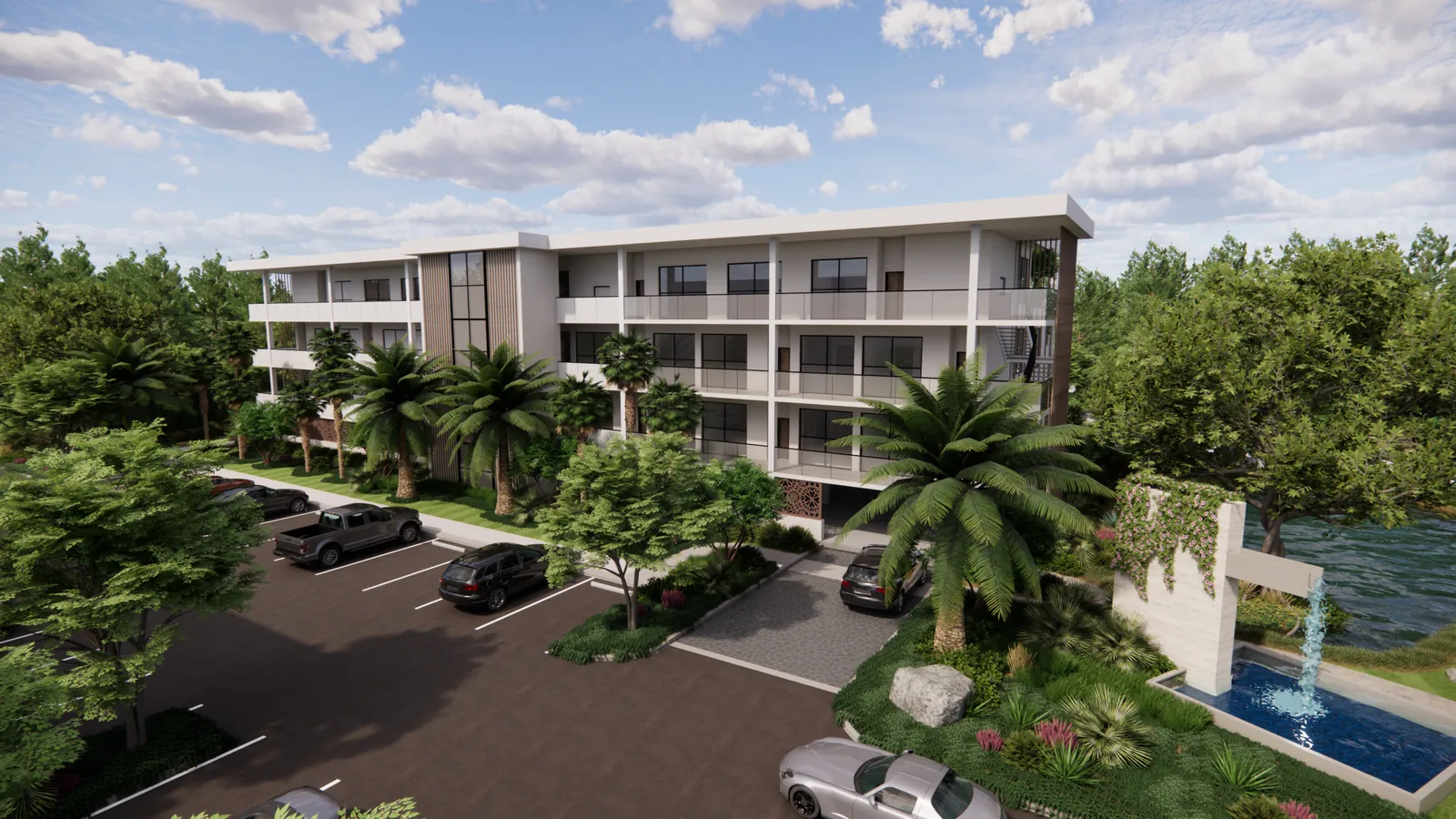
If you own land in Southwest Florida, a developer may offer to buy it outright. Some will also offer something different: keep your land in the deal and share in what gets built on it. These arrangements go by many names, including land joint venture, contributed-land deal, land partnership and participation deal. They can make sense for some owners, but they work very differently from a sale. This guide explains the common structures in plain language, what to look for in the paperwork, and the risks and timelines involved. It is general information, not legal, tax or investment advice.
Selling Outright vs. Partnering: The Basic Difference
In an outright sale, you agree on a price, the buyer does its due diligence, and you are paid at closing. Once the deed is recorded, the buyer carries the cost and risk of getting approvals and building, and keeps any upside.
In a partnership, your land becomes part of the project instead of being cashed out on day one. In exchange, you may share in the value created by planning, approvals, construction and sales. That can mean more total money if the project does well. It can also mean less money, later money, or none at all if the project struggles. You trade a known number today for an uncertain number later.
Neither path is right for everyone. Owners who need cash now, or who don’t want to tie their land to a multi-year project, often prefer to sell. Owners who can wait, and who are comfortable sharing risk, sometimes prefer to partner. Our guide to selling land to a developer in Southwest Florida covers the sale path in more detail.
Common Ways Land Partnerships Are Structured
No two deals look exactly alike, but most are built from a few basic pieces.
Land contribution for equity
You deed the land into a new company, often a limited liability company (LLC), and receive an ownership share in return. The developer contributes cash, expertise or both, and also holds a share. In Florida, an LLC’s operating agreement governs the relations among its members, the duties of its managers and how the company runs its affairs, under the Florida Revised Limited Liability Company Act (chapter 605). That agreement becomes the most important document you sign.
A key question is how your land is valued when it goes in. That value usually sets your starting share, so an appraisal or agreed value matters a great deal.
Profit share or participation
Here you may sell the land, or keep it until a later point, and also receive a share of profits or sales revenue from the finished project. The agreement defines what counts as “profit,” which costs come off the top first, and when you are paid. Two deals with the same percentage can pay very differently depending on those definitions.
Phased takedown
On larger parcels, the developer may buy the land in pieces over time instead of all at once. Each “takedown” closes on a set schedule or when certain milestones are reached, such as permits for a phase. You get paid in stages, and you keep owning, and usually paying taxes on, the parts that haven’t closed yet.
Option agreements
With an option, the developer pays you a fee for the exclusive right to buy your land at agreed terms within a set period. During the option period, the developer studies the land and may pursue approvals. If it buys, you close. If it walks away, you usually keep the option payment, subject to the contract terms. Options are often combined with other structures.
Hybrid deals
Many real deals mix these pieces, for example an option, followed by a partial cash payment at closing plus an equity share or profit participation.
How the Money Usually Flows
In equity and profit-share deals, the agreement sets an order of payment, sometimes called a “waterfall.” Typically, project costs and any loans are paid first. After that, the agreement says who gets their money back, in what order, and how remaining profits are split. Some agreements give certain partners a priority return before others are paid. Read this section slowly, and ask for a worked example using realistic numbers. Ask what happens to your share if costs run over or sales come in lower than planned.
What to Look for in the Agreement
Every agreement is different, but these items deserve close attention:
- Land value. How your land is valued for your share, and who decides.
- Control. Who makes day-to-day decisions, and which major decisions need your approval (selling the project, taking on debt, changing the plan).
- Additional money. What happens if the project needs more cash. Some agreements reduce, or “dilute,” the share of any partner who doesn’t contribute.
- Debt and your land. Whether the land will be pledged as collateral for a construction loan. If a loan defaults, the lender may be able to take the property.
- Milestones and deadlines. Dates for approvals, permits, construction and sales, and what you can do if they are missed.
- Fees. Development, management or other fees paid to the developer, and when they are paid relative to your distributions.
- Reporting. How often you get budgets, financial statements and project updates.
- Taxes and carrying costs. Who pays property taxes, insurance and other costs while the project is pending.
- Exit and failure. What happens if approvals are denied, the market turns, or the partners disagree, including whether the land can come back to you.
- Disputes. How disagreements are resolved, and in what forum.
If your land currently has an agricultural (“greenbelt”) classification, ask how a change in use will affect your property taxes and who will pay the difference. Our guide to Florida’s agricultural classification explains how that works.
Risks to Understand
Approval risk
Rezoning, site plan and permit approvals are never guaranteed. Projects can be denied, delayed or approved with conditions that shrink what can be built. Our guide to land entitlement in Florida explains that process.
Market and cost risk
Home prices, interest rates, insurance and construction costs can change during the life of a project. Because a partner’s payout usually depends on the final result, these changes affect you directly.
Financing risk
If the project relies on loans, the lender typically gets paid before the partners. If your land secures the loan, a default could put the land itself at risk.
Time and liquidity
Partnership deals can take years from first conversation to final payout, and an ownership share in a private project is usually hard to sell. Plan as if your money will be tied up for the full timeline.
Partner risk
Your result depends heavily on the developer’s experience, finances and follow-through. Ask about completed projects, references and how the company has handled projects that didn’t go to plan.
A Typical Sequence
Timelines vary widely by parcel, approvals and market conditions, but many deals follow a pattern like this:
- Initial land review and a conversation about goals.
- A letter of intent outlining basic terms.
- Due diligence: survey, title, environmental, utilities and zoning review.
- Final agreements, often with an option or contribution date.
- Entitlement and planning, including any public hearings.
- Financing, permits and construction, sometimes in phases.
- Sales or leasing, followed by distributions under the agreement.
Why You Need a Florida Real Estate Attorney and a Tax Professional
A partnership agreement is a long, technical contract, and the developer’s lawyer works for the developer. Have your own Florida real estate attorney review every document before you sign. The Florida Bar’s online directory lets you search for lawyers, including those who are board certified in real estate law.
Taxes are just as important, and the rules are complex. A few examples of why professional advice matters:
- Contributing land to a partnership. According to IRS Publication 541, when property is contributed in exchange for a partnership interest, usually neither the partner nor the partnership recognizes gain or loss. There are exceptions. For example, if you contribute property and receive a distribution within two years, the IRS generally presumes the transfers are a sale unless the facts clearly show otherwise. Other rules can apply to distributions within seven years of a contribution.
- LLCs. The IRS says a domestic LLC with at least two members that doesn’t file an election is classified as a partnership for federal tax purposes.
- Installment payments. IRS Publication 537 explains that an installment sale is one where you receive at least one payment after the tax year of the sale. It also notes that installment reporting doesn’t apply to real property held for sale to customers in the ordinary course of business, so how you are treated can matter.
- Florida documentary stamp tax. Florida taxes deeds at 70 cents per $100 of consideration in most counties. Under section 201.02, consideration can include property other than money, which is presumed to equal fair market value. Ask your attorney how this applies to any deed into a new company.
A CPA or tax attorney can model how each structure might affect your income taxes, estate plans and property taxes before you commit.
How Proudhouse Works With Land Owners
Proudhouse Builders works with land owners through four stages: land review, entitlement and planning, design and build, and a sale-or-hold decision for the finished property. Every parcel and every owner’s goals are different, so the right structure depends on the land and on what you want from it.
Talk With Us About Your Land
Curious whether partnering, selling or something in between fits your land? Call Proudhouse Builders at (239) 321-0594 or start on our Land Owners page. You bring the land, we do the rest.
Sources
- Florida Statutes §605.0101 (Florida Revised Limited Liability Company Act, short title), 2026: flsenate.gov/Laws/Statutes/2026/605.0101
- Florida Statutes §605.0105 (operating agreement scope and function), 2026: flsenate.gov/Laws/Statutes/2026/605.0105
- Florida Statutes §201.02 (documentary stamp tax on deeds; consideration includes property other than money), 2026: flsenate.gov/Laws/Statutes/2026/201.02
- Florida Department of Revenue, Documentary Stamp Tax: floridarevenue.com/taxes/taxesfees/Pages/doc_stamp.aspx
- IRS Publication 541, Partnerships (Rev. December 2025) (contributions of property, disguised sales, seven-year rules, LLC classification): irs.gov/publications/p541
- IRS Publication 537, Installment Sales (2025) (definition; dealer exception): irs.gov/publications/p537
- The Florida Bar, Find a Lawyer directory: floridabar.org/directories/find-mbr/
- Proudhouse Builders, Land Owners: proudhousebuilders.com/land-owners/
Own land in Southwest Florida?
Our team can tell you what your parcel can become. Call (239) 321-0594 or start a land review online.
Start a land review

